Demijohns and Carboys: Big Glass, Small Opening, Big Commitment

A carboy is the most rewarding container in the hobby and the least forgiving. Everything you can do to it, you do through a two-finger neck. Plan for that.


A carboy is the most rewarding container in the hobby and the least forgiving. Everything you can do to it, you do through a two-finger neck. Plan for that.

Plastic is cheaper, lighter and will not smash. It also hazes, scratches, insulates differently and cannot be sterilized the same way. Here is the whole trade.
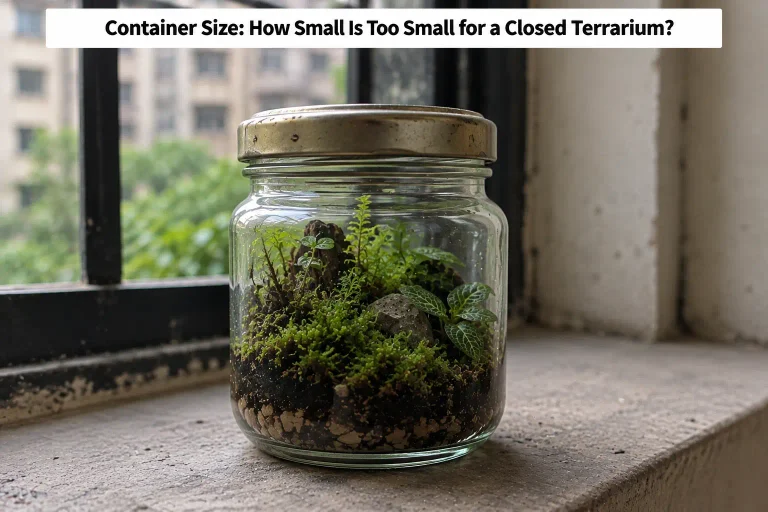
Nobody publishes a minimum size, so here is the physics that sets the floor instead: the layers, the air volume and the temperature swing a small jar cannot buffer.
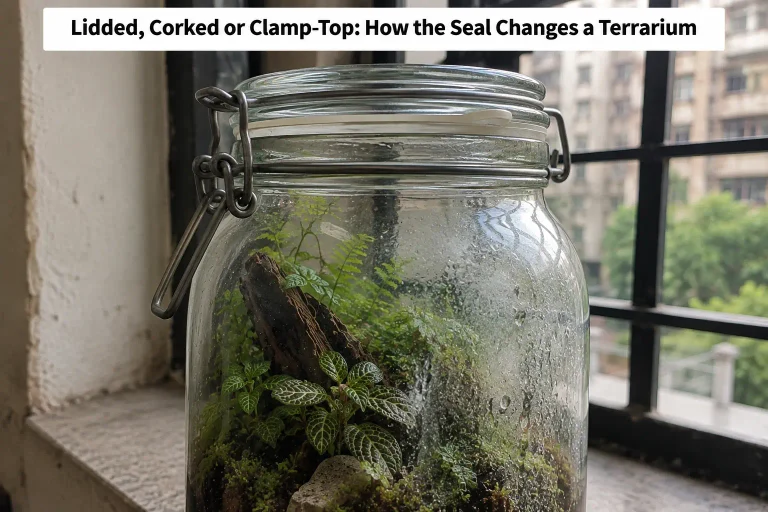
It does not need to be airtight. It needs to be tight enough for water to stay in, and the difference between those two things decides your whole build.

Almost anything glass can be a terrarium and most of what you own should not be. Four requirements decide it, and the seal is not the first one.
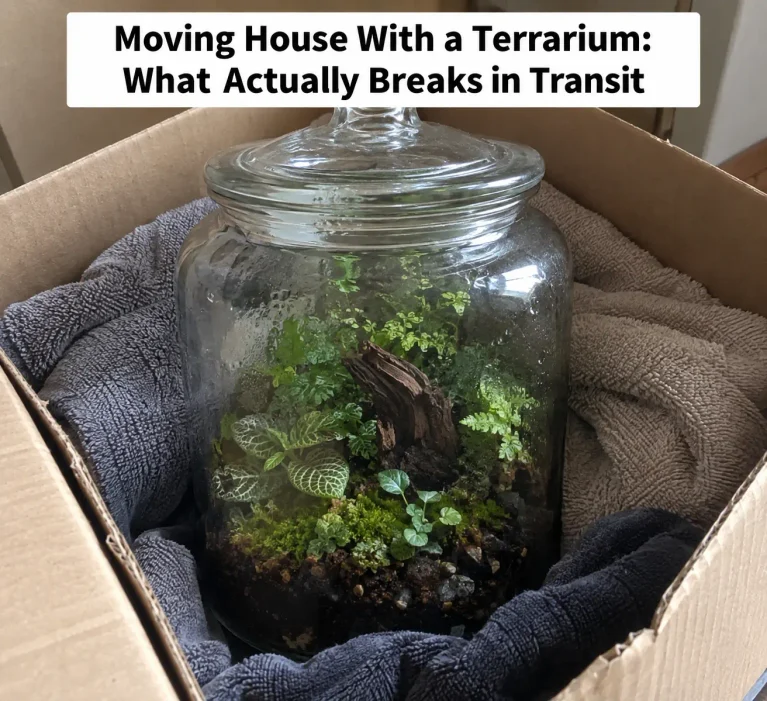
The glass is the least of it. Layers shift, hardscape topples, and a sealed jar in a hot car is an oven. Here is how to get one across town intact.
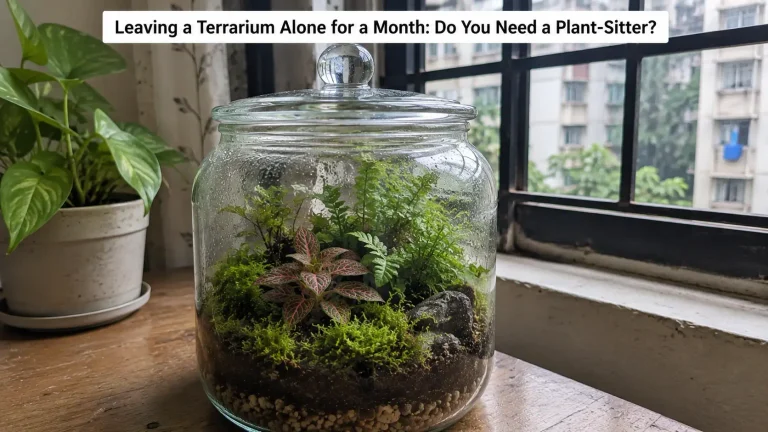
A sealed terrarium is the one plant in the house that does not need a sitter. The risk is not water. It is light and heat, and the fix takes five minutes.
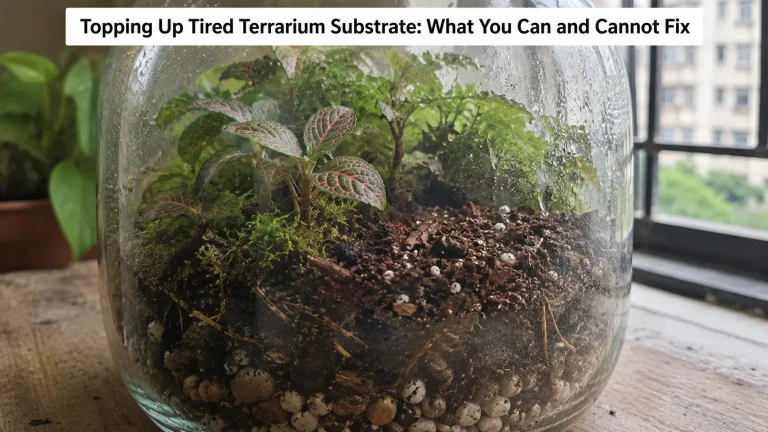
The soil has sunk and compacted. Adding more on top does not decompact anything, and a sealed jar has nowhere for the old material to go. Here is the honest read.

Opening the lid is not cheating and it is not free. Here are the four situations that justify it, the one that does not, and what you are actually resetting.
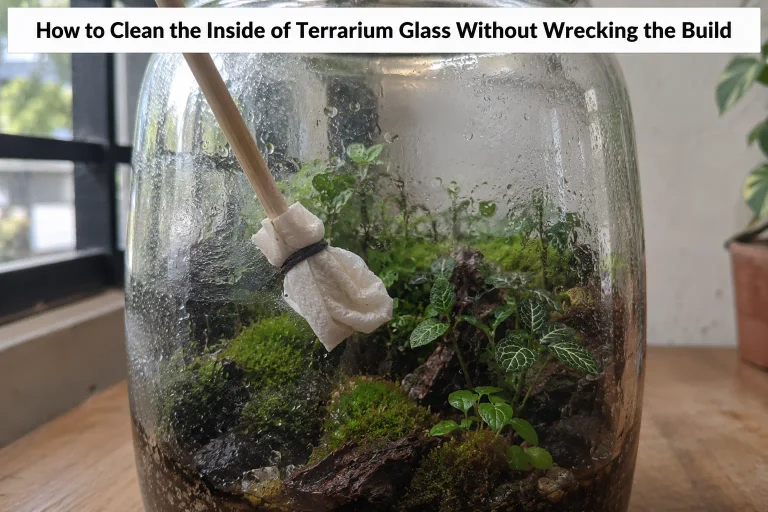
You cannot reach the inside without knocking something over, and you must not put cleaner in a sealed jar. Here is what actually works, and what the film is.